
Bring hope to forgotten conflicts
30 March 2026
Warning: This Crisis Monitor contains graphic details of loss, including the impact of violence on children.
From a national to regional focus
The Crisis Monitor first contextualises the crisis nationally. Sudan faces the world’s largest humanitarian crisis, with more than 30 million people in need of humanitarian assistance.
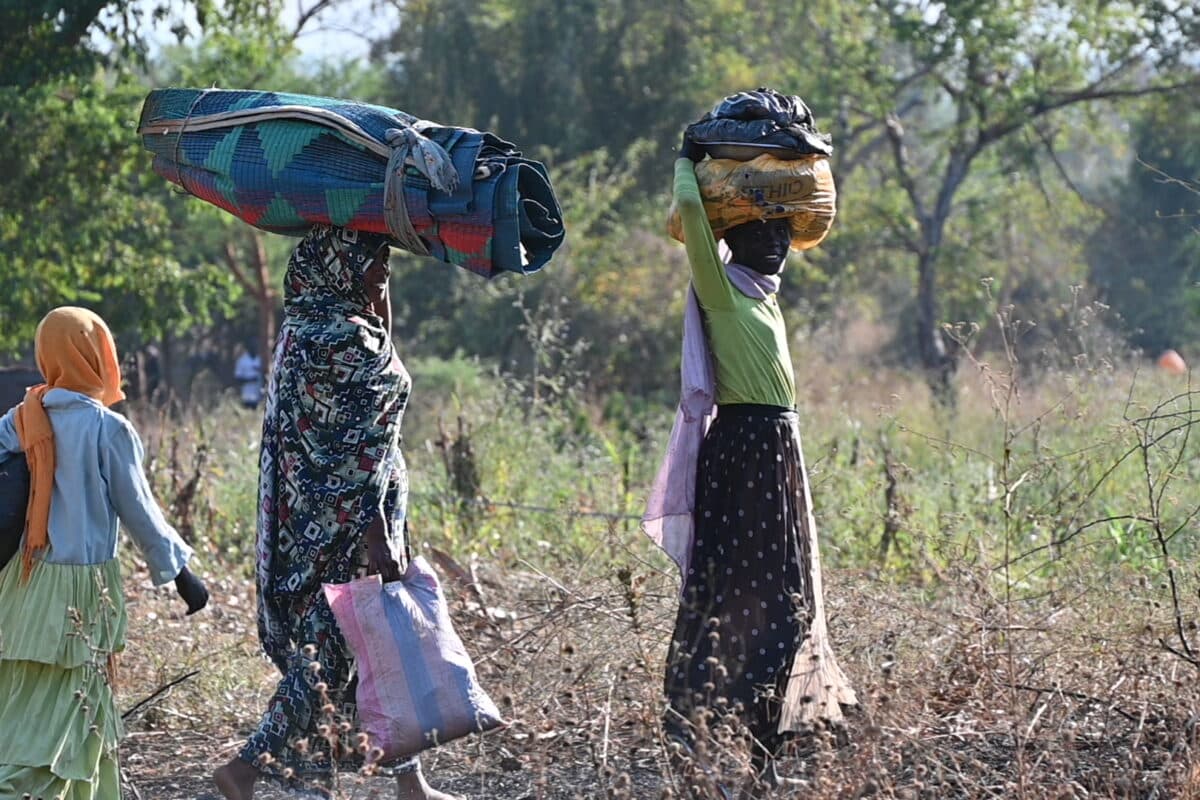
The monitor then shifts to a regional focus on Blue Nile in Sudan, a state bordering South Sudan and Ethiopia. Civilians are caught in the crossfire between the Sudanese Armed Forces (SAF), the paramilitary Rapid Support Forces (RSF) and their allied militias. Humanitarian Aid Relief Trust (HART) is monitoring a potential escalation in conflict over the Blue Nile-Ethiopia corridor. Such an escalation would have a devastating impact on civilians who are already vulnerable to displacement, food insecurity, and healthcare risks.
Sudan is in freefall. Never has a crisis so large received so little international attention.
HART's emergency response
HART issued a Crisis Warning for displaced populations in Jabarona Camp and the host community of Yabus in April 2025.
As conflict intensifies and as international organisations withdraw their services, due to aid cuts and security concerns, we are strengthening grassroots networks to respond to major regional concerns. Our local partners are improving food security and sanitation, while widening access to healthcare and education for vulnerable, displaced communities.
Access to healthcare
The healthcare system has collapsed in Blue Nile. Few hospitals are operational, and only a handful of medical professionals remain. In addition to monitoring disease trends, we are training Community Health Workers in diagnosis and preventive measures to help mitigate outbreaks and reduce endemic diseases. Even with limited resources, our local partners are a lifeline for stranded patients.
Health services are stretched to breaking point. By training local health workers, we are helping to ease pressure on the handful of remaining medical professionals.
Access to education
Children are the future of Sudan, but the conflict has cast a dark shadow over their futures. Over half of the population of Blue Nile is under the age of 24 years old and over half of the population is out of school (UNICEF).
We have strengthened education infrastructure by supporting 144 teachers with resources and additional training, while reaching 2,759 students. Education is as crucial developmentally for children, as it is for the prosperity of Sudan.
Over half of the state's children are out of school. Those left behind face a higher risk of early marriage, exploitation and child labour, including dangerous work such as mining.
This Crisis Monitor is the first edition on the deepening humanitarian crisis in Blue Nile, Sudan. We will release further editions as we receive vital updates from local partners and as we continue to monitor the crisis on-the-ground.
For media enquiries, please contact anais.arroyo@hart-uk.org